Off Page SEO: 15 Proven Techniques to Build Website Authority
Off page SEO is one of the most important aspects of search engine optimization for improving your website’s authority and credibility. While on-page SEO focuses on optimizing the content and structure of your website, off page SEO helps search engines understand how trustworthy and valuable your website is based on signals from other websites and online platforms.
A strong off page SEO strategy can improve your search rankings, increase organic traffic, strengthen your online reputation, and help you compete with established websites in your industry. Whether you’re a business owner, blogger, or digital marketer, understanding off-page SEO is essential for achieving long-term SEO success.
If you’re new to SEO, we recommend reading our What Is SEO? guide first. After that, you can explore our On Page SEO Checklist to optimize your website before implementing the off-page techniques covered in this article.
In this comprehensive guide, you’ll learn 15 proven off page SEO techniques that can help build website authority, earn high-quality backlinks, and improve your visibility in Google Search and AI-powered search platforms.
What Is Off Page SEO?
Off page SEO refers to all the optimization activities that happen outside your website to improve its authority, trustworthiness, and search engine rankings.
Unlike On-Page SEO, where you optimize elements such as content, headings, images, and metadata, off page SEO focuses on external signals that indicate your website is valuable and trustworthy.
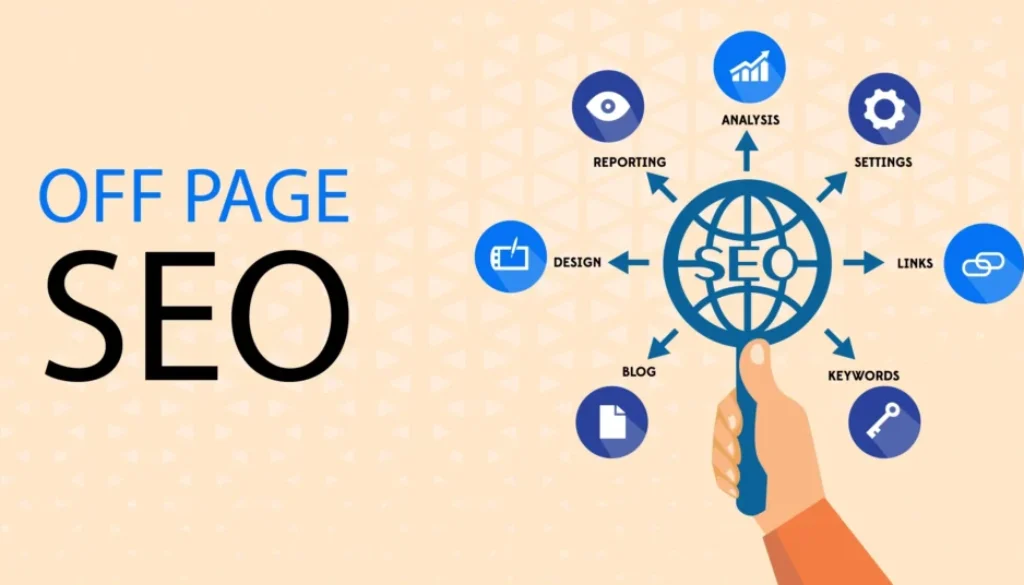
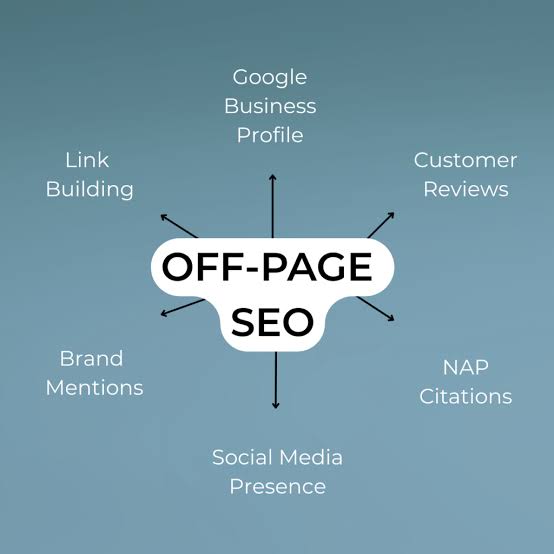
Some common off page SEO activities include:
- Building high-quality backlinks
- Guest blogging
- Brand mentions
- Social media promotion
- Local citations
- Digital PR
- Online reviews
- Influencer outreach
- Content sharing
Search engines consider these signals as indicators of your website’s reputation and authority
Why Is Off Page SEO Important?
Without off page SEO, even well-written and fully optimized webpages may struggle to rank for competitive keywords.
Search engines want to recommend websites that users can trust. External signals help Google determine whether your content deserves higher rankings.
Here are the major benefits of off page SEO.
Builds Website Authority
Authority is one of Google’s strongest ranking signals.
When reputable websites link to your content or mention your brand, search engines view your website as more trustworthy.
Over time, this improves your domain authority and increases your chances of ranking higher.
Improves Search Engine Rankings
Quality backlinks remain one of the most influential ranking factors.
A strong off page SEO strategy helps search engines understand that other websites consider your content valuable, increasing the likelihood of achieving better rankings.
Increases Organic Traffic
Higher rankings naturally attract more visitors.
As your authority grows through off page SEO, your pages become more visible for relevant search queries, resulting in consistent organic traffic.
Builds Brand Trust
People are more likely to trust businesses that are mentioned on reputable websites, industry blogs, news publications, and trusted directories.
Positive brand mentions also contribute to stronger online credibility.
Supports AI Search and Answer Engines
AI-powered search platforms such as Google AI Overviews, ChatGPT, Gemini, Claude, and Perplexity evaluate authoritative sources when generating answers.
A strong off-page SEO strategy increases your chances of being referenced because your website demonstrates expertise, authority, and trustworthiness.
How Does Off Page SEO Work?
Search engines analyze various external signals to determine how trustworthy your website is compared to others.
Some of the most important ranking signals include:
- Quality backlinks
- Brand mentions
- Website authority
- Online reviews
- Social signals
- Local citations
- Content shares
- Digital PR coverage
Think of every quality backlink as a recommendation.
If multiple trusted websites link to your content, search engines interpret those links as votes of confidence.
However, quality matters much more than quantity.
One backlink from an authoritative website is often more valuable than dozens of links from low-quality websites.
Off Page SEO: 15 Proven Techniques
The following off-page SEO techniques can help improve your website’s authority and long-term search performance.
1. Build High-Quality Backlinks
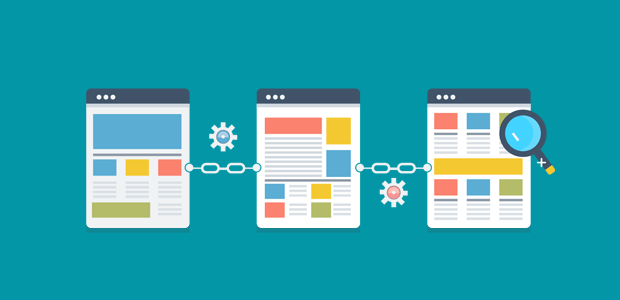
Backlinks remain one of the strongest ranking signals in SEO.
However, not all backlinks provide the same value.
Focus on earning links from:
- Industry blogs
- Trusted news websites
- Educational websites
- Government websites
- Relevant business directories
- Authoritative niche websites
Avoid purchasing backlinks or participating in link schemes, as these practices violate Google’s guidelines.
2. Publish High-Quality Content
Great content naturally attracts backlinks.
Create content that people genuinely want to reference, including:
- Comprehensive guides
- Original research
- Case studies
- Infographics
- Statistics
- Industry reports
- Practical checklists
The more useful your content is, the easier it becomes to earn natural backlinks.
3. Guest Blogging on Relevant Websites
Guest blogging allows you to share valuable insights with a new audience while earning high-quality backlinks.
Choose websites that are:
- Relevant to your industry
- Trusted by users
- Frequently updated
- Known for publishing quality content
Focus on providing genuine value rather than writing solely to obtain backlinks.
4. Earn Brand Mentions
Search engines recognize both linked and unlinked brand mentions.
When reputable websites discuss your business, products, or expertise, it strengthens your online presence and builds trust.
Encourage satisfied customers, partners, and industry publications to mention your brand naturally.
5. Build Local Citations
For local businesses, citations are an essential part of off page SEO.
A citation includes your:
- Business name
- Address
- Phone number
Keep this information consistent across local business directories, maps, and listing platforms to improve local search visibility.
6. Encourage Online Reviews
Customer reviews help build credibility and influence purchasing decisions.
Positive reviews on trusted platforms strengthen your reputation and can improve local SEO performance.
Encourage genuine customer feedback and always respond professionally to both positive and negative reviews.
7. Leverage Social Media for Better Content Reach
Although social media links are generally not direct ranking factors, they play an important role in off-page SEO by increasing your content’s visibility. The more people who discover your content, the greater the chances of earning natural backlinks and brand mentions.
To maximize your reach:
- Share blog posts on relevant social media platforms.
- Create engaging visuals and short videos.
- Encourage your audience to share your content.
- Participate in industry-related discussions.
Consistent social media promotion helps drive referral traffic and supports your overall SEO strategy.
8. Build Relationships Through Influencer Outreach
Collaborating with industry experts, bloggers, and influencers can increase your brand’s visibility and authority.
Effective influencer outreach involves:
- Building genuine relationships.
- Sharing valuable content.
- Collaborating on articles or webinars.
- Requesting honest reviews of your products or services.
When respected professionals mention your brand, it can lead to valuable backlinks and increased trust.
9. Create Shareable Content
One of the easiest ways to earn backlinks naturally is by creating content that people want to share.
Examples include:
- Ultimate guides
- Checklists
- Infographics
- Original research
- Industry statistics
- Templates
- Case studies
Shareable content increases the likelihood of being referenced by bloggers, journalists, and industry websites.
10. Use Digital PR
Digital PR combines public relations with SEO to earn media coverage and high-authority backlinks.
Some effective digital PR strategies include:
- Publishing original research.
- Sharing industry insights.
- Announcing company achievements.
- Responding to journalist requests.
- Creating newsworthy campaigns.
Mentions from reputable news websites can significantly strengthen your off-page SEO efforts.
11. Participate in Relevant Online Communities
Being active in online communities helps establish your expertise and expand your professional network.
Consider participating in:
- Industry forums
- Q&A websites
- Professional communities
- LinkedIn groups
- Relevant online discussions
Focus on providing helpful answers instead of promoting your business. Valuable contributions build credibility over time.
12. Monitor Your Backlink Profile
Not every backlink benefits your website. Some low-quality or spammy links may negatively impact your SEO performance.
Regularly review your backlink profile to:
- Identify new backlinks.
- Remove harmful links when necessary.
- Monitor referring domains.
- Discover new link-building opportunities.
Maintaining a healthy backlink profile is an important part of long-term off-page SEO.
You can monitor your website’s backlinks and search performance using Google Search Console.
13. Optimize Your Google Business Profile
If you serve local customers, optimizing your Google Business Profile can improve your local search visibility.
Make sure your profile includes:
- Accurate business name
- Address
- Phone number
- Website
- Business hours
- Photos
- Customer reviews
A complete and regularly updated profile helps improve trust and local SEO performance.
14. Maintain Consistent Business Information
Your business information should remain consistent across all online directories and platforms.
Always use the same:
- Business name
- Address
- Phone number
- Website URL
Consistent business information helps search engines verify your business and improves local search rankings.
15. Track and Improve Your Off Page SEO Performance
SEO is an ongoing process, not a one-time activity.
Regularly monitor your progress by evaluating:
- Organic traffic
- Referring domains
- Backlink quality
- Brand mentions
- Keyword rankings
- Referral traffic
Reviewing these metrics helps identify what’s working and where improvements are needed.
Common Off Page SEO Mistakes to Avoid
Even experienced marketers can make mistakes that limit their SEO performance.
Avoid these common off-page SEO mistakes:
- Buying backlinks
- Participating in link farms
- Building backlinks from irrelevant websites
- Ignoring local citations
- Using spammy directory submissions
- Neglecting online reviews
- Focusing on quantity instead of quality
- Ignoring backlink monitoring
Following ethical SEO practices helps build sustainable rankings and protects your website from search engine penalties.
Review Google’s official Google Search Central guidelines to understand link spam policies and follow ethical SEO practices.
Off Page SEO vs On Page SEO
Although both are essential, off page SEO and on-page SEO serve different purposes.
| On-Page SEO | Off Page SEO |
|---|---|
| Optimizes elements within your website | Builds authority outside your website |
| Focuses on content, headings, URLs, and images | Focuses on backlinks, mentions, and reputation |
| Improves relevance | Improves authority |
| Controlled by the website owner | Influenced by external websites |
The best SEO strategy combines both approaches to achieve long-term success.
Conclusion
A strong off-page SEO strategy is essential for improving your website’s authority, trust, and visibility in search engines. While creating high-quality content is the foundation of SEO, earning backlinks, building brand mentions, maintaining local citations, and establishing a positive online reputation help search engines recognize your website as a credible source.
Remember that off page SEO takes time. Focus on building genuine relationships, creating valuable content, and following ethical SEO practices instead of looking for shortcuts. Consistent efforts will lead to sustainable rankings and long-term organic growth.
Looking for the best digital marketing agency in Kannur? KLYQIN helps businesses improve their online presence through SEO, website design, branding, and digital marketing solutions tailored to long-term success.
Frequently Asked Questions (FAQs)
What is off page SEO?
Off page SEO refers to optimization activities performed outside your website, such as building backlinks, earning brand mentions, managing online reviews, and improving your website’s authority.
Why is off page SEO important?
Off page SEO helps search engines evaluate your website’s credibility and trustworthiness, improving your chances of ranking higher in search results.
Are backlinks still important for SEO?
Yes. High-quality backlinks remain one of the strongest ranking signals and play a significant role in improving website authority.
How long does off page SEO take to show results?
Off page SEO is a long-term strategy. Depending on your industry and competition, noticeable improvements may take several months of consistent effort.
Is social media part of off page SEO?
While social media links are not direct ranking factors, social media helps increase content visibility, referral traffic, and opportunities to earn backlinks.
Which is better: On-Page SEO or Off Page SEO?
Neither is better on its own. On-page SEO improves your website’s relevance, while off page SEO builds authority. Both are necessary for a successful SEO strategy.