7 Powerful Digital Marketing Funnel Stages Every Business Should Know
A digital marketing funnel is one of the most important frameworks businesses use to guide potential customers from discovering a brand to becoming loyal advocates. While attracting website visitors is important, generating traffic alone doesn’t guarantee sales. People rarely purchase a product or service the first time they interact with a business. Instead, they move through several decision-making stages before becoming customers.
Understanding how a digital marketing funnel works helps businesses deliver the right message at the right time. Instead of showing every visitor the same content or offer, businesses can create personalized experiences that match where a customer is in their buying journey. This approach improves engagement, builds trust, increases conversions, and strengthens long-term customer relationships.
Whether you’re running a local business, an e-commerce store, or a service-based company, having a structured marketing funnel can make your marketing efforts more effective. It helps you understand why some visitors leave without taking action while others become repeat customers.
Before exploring the customer journey in detail, it’s helpful to understand how a digital marketing campaign works, as a well-planned campaign provides the foundation for an effective digital marketing funnel.
In this guide, you’ll learn what a digital marketing funnel is, explore its seven key stages, understand concepts like TOFU, MOFU, and BOFU, and discover practical ways to optimize your funnel for better business results
What Is a Digital Marketing Funnel?
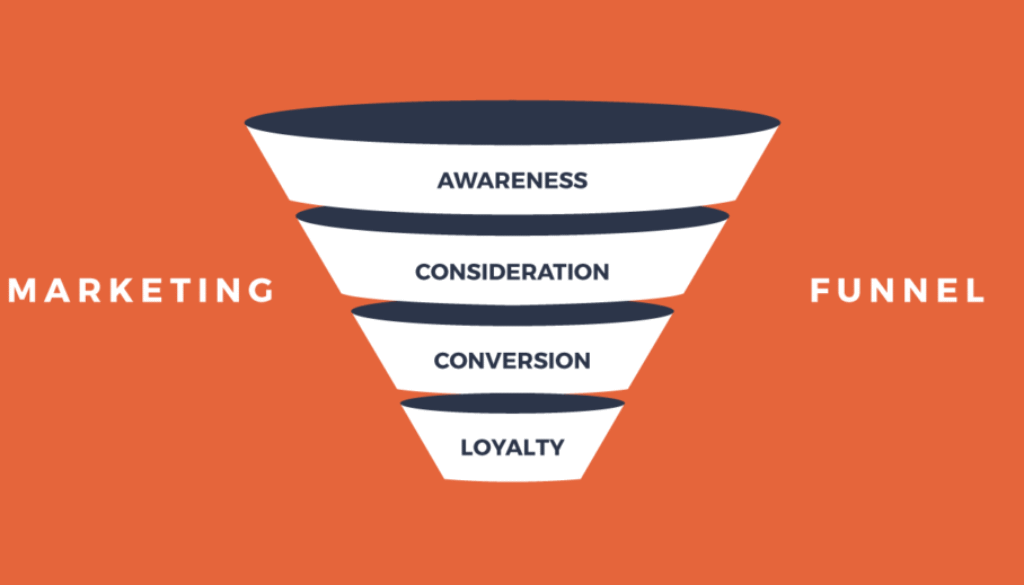
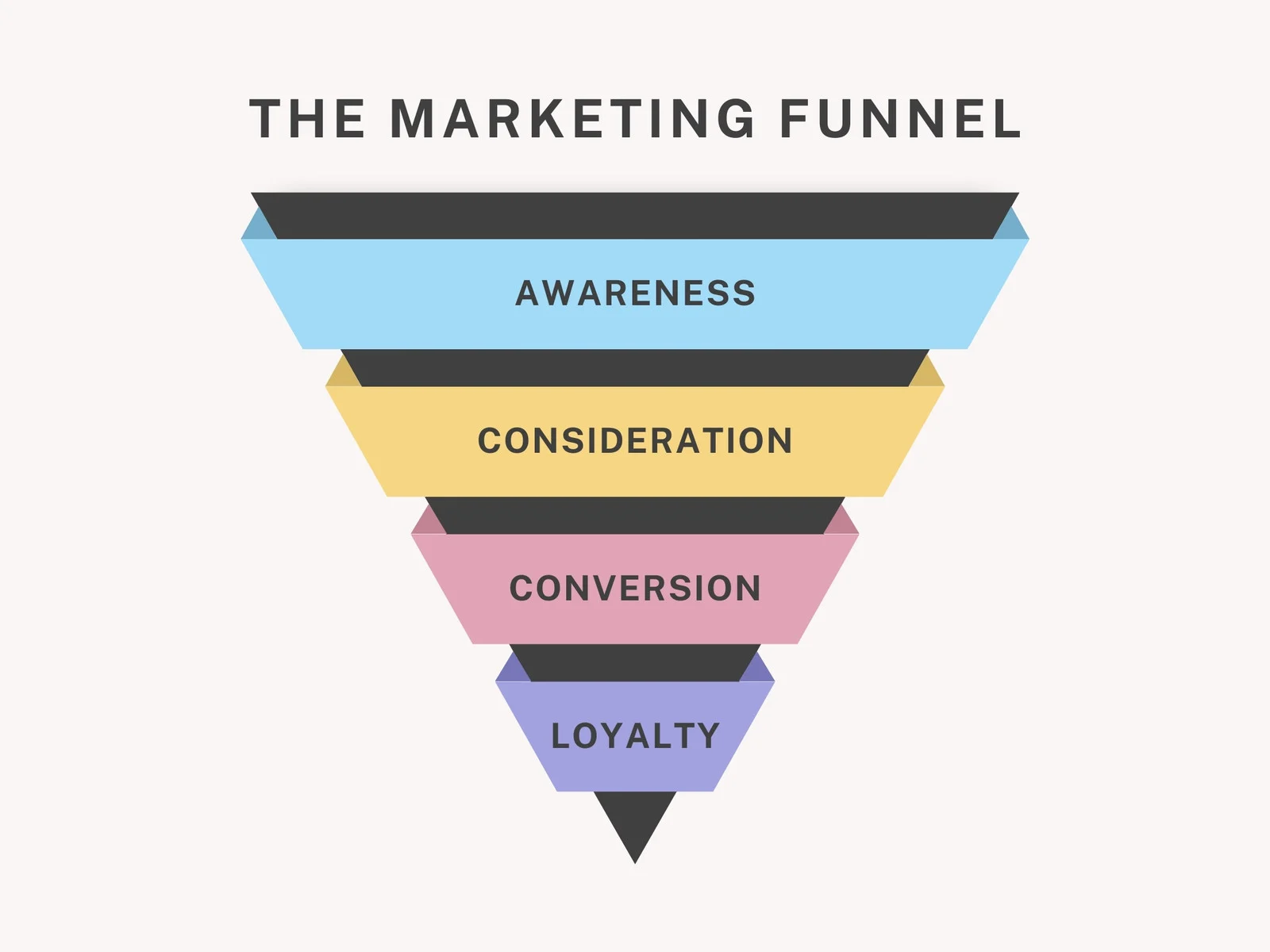
A digital marketing funnel is a visual representation of the journey a potential customer takes from first discovering your business to becoming a loyal customer and even recommending your brand to others.
The term “funnel” describes how a large number of people enter the journey at the beginning, but only a smaller percentage complete the final action, such as making a purchase or submitting an enquiry. Every stage of the funnel has a different purpose, and businesses must tailor their marketing efforts accordingly.
Unlike a single advertisement or promotional campaign, a digital marketing funnel focuses on building relationships over time. It recognizes that customers often need information, trust, and multiple interactions before making a decision.
For example, someone searching for “best digital marketing tips” may first discover your blog through Google. After reading several articles, they may subscribe to your newsletter, download a free guide, request a consultation, and eventually become a customer. Each of these actions represents a different stage in the funnel.
Why Is It Called a Funnel?
The name “funnel” comes from its shape. At the top, a large number of people become aware of your business through channels like search engines, social media, advertisements, referrals, or email marketing.
As they move further down the funnel, some visitors lose interest, while others continue learning about your products or services. By the time they reach the final stage, only the most interested and qualified prospects remain, making them more likely to convert into paying customers.
This narrowing process doesn’t mean businesses should focus only on the bottom of the funnel. Every stage plays a critical role in guiding potential customers toward making informed decisions.
Why Every Business Needs a Digital Marketing Funnel
Without a structured funnel, businesses often struggle to understand why visitors leave their website without taking action. They may spend money on advertising, create content regularly, and post on social media, yet still experience low conversion rates.
A digital marketing funnel helps identify where potential customers are dropping off and allows businesses to improve each stage of the customer journey.
Some key benefits of using a digital marketing funnel include:
- Creating a better customer experience.
- Delivering relevant content at every stage.
- Building trust before asking for a sale.
- Improving lead quality.
- Increasing conversion rates.
- Strengthening customer relationships.
- Encouraging repeat purchases and referrals.
If you’ve already learned how a digital marketing campaign works, you’ll notice that the marketing funnel complements the campaign by focusing on the customer’s journey rather than the campaign’s execution.
The 7 Stages of a Digital Marketing Funnel
Although businesses may describe their funnels differently, most digital marketing funnels follow seven essential stages.
These stages are:
- Awareness
- Interest
- Consideration
- Intent
- Conversion
- Retention
- Advocacy
Each stage requires different marketing strategies because customer needs change as they move through the buying journey.
Let’s explore each stage in detail.
Stage 1: Awareness
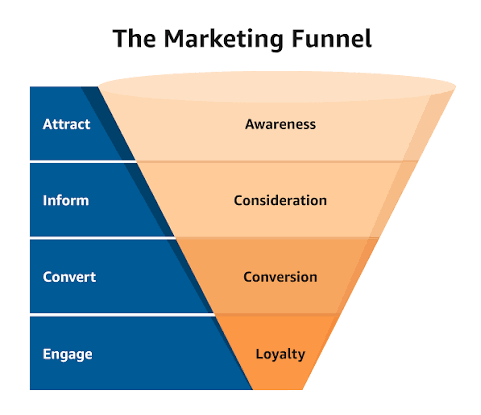
The Awareness stage is the entry point of the digital marketing funnel. At this stage, potential customers become aware that your business exists. They may not know much about your products or services yet, but they recognize a problem they want to solve and begin searching for information.
Businesses should focus on educating and informing rather than selling during this stage. The goal is to capture attention and make a positive first impression.
People typically discover businesses through:
- Organic search (SEO)
- Blog articles
- Social media posts
- Online advertisements
- Videos
- Word-of-mouth referrals
- Local business listings
Since customers at this stage are looking for answers rather than products, educational content performs much better than promotional content.
Businesses can also follow the SEO best practices recommended by Google Search Central to improve their website’s visibility and attract more organic traffic during the awareness stage.
Best Marketing Strategies for the Awareness Stage
To attract potential customers effectively, businesses should focus on creating valuable content that answers common questions and solves real problems.
Some effective awareness-stage strategies include:
- Publishing educational blog posts.
- Creating informative videos.
- Sharing engaging social media content.
- Optimizing websites for search engines.
- Running brand awareness advertising campaigns.
- Offering free downloadable resources like checklists or guides.
The objective is to build visibility and trust without immediately asking customers to make a purchase.
Stage 2: Interest
Once people become aware of your business, the next step is generating genuine interest.
At this stage, potential customers begin exploring your website, reading multiple blog posts, following your social media accounts, watching videos, or subscribing to your email newsletter. They want to learn more about your expertise and determine whether your business can solve their specific problems.
Unlike the awareness stage, where visitors are simply discovering your brand, the interest stage focuses on keeping them engaged and encouraging deeper interactions.
Businesses that consistently provide valuable, relevant, and trustworthy content during this stage are more likely to move prospects toward the consideration stage.
How to Build Interest
To maintain customer interest, businesses should provide content that answers questions, addresses concerns, and demonstrates expertise.
Some effective tactics include:
- Publishing detailed how-to guides.
- Sharing case studies and success stories.
- Sending educational email newsletters.
- Offering free webinars or downloadable resources.
- Creating comp
- arison articles and buying guides.
The goal isn’t to make an immediate sale—it’s to build confidence in your brand and encourage potential customers to continue their journey through the digital marketing funnel.
Stage 3: Consideration
At the Consideration stage, potential customers move beyond simply learning about your business. They begin comparing your products or services with other available options and evaluating which solution best meets their needs.
Customers at this stage actively research information before making a decision. They may compare pricing, features, customer reviews, testimonials, and case studies. Building trust becomes the primary objective.
Businesses should focus on providing detailed, transparent, and valuable information that helps prospects make confident decisions.
Best Marketing Strategies for the Consideration Stage
Some effective ways to nurture prospects during this stage include:
- Publishing product or service comparison articles.
- Sharing customer testimonials and case studies.
- Offering free consultations or product demonstrations.
- Creating FAQ pages that address common concerns.
- Providing downloadable guides or industry reports.
The goal is to position your business as the most reliable solution while helping customers make informed decisions.
Stage 4: Intent
The Intent stage indicates that a potential customer is close to making a purchase. Their actions show a strong buying interest, such as requesting a quote, adding products to a cart, signing up for a free trial, or contacting your business.
At this point, customers have already completed much of their research. They simply need reassurance that they are making the right choice.
Businesses should make it easy for prospects to take the next step by offering clear calls to action, transparent pricing, and prompt responses to enquiries.
Best Marketing Strategies for the Intent Stage
Effective strategies include:
- Offering free consultations.
- Providing product demonstrations.
- Sharing pricing information.
- Displaying trust badges and certifications.
- Highlighting customer success stories.
- Responding quickly to enquiries.
Removing friction during this stage can significantly improve conversion rates.
Stage 5: Conversion
The Conversion stage is where prospects become customers by completing the desired action. Depending on the business, this could mean making a purchase, booking a service, requesting a consultation, or subscribing to a paid plan.
While this stage represents the primary goal of many marketing campaigns, it is not the end of the customer journey.
A smooth purchasing experience encourages customer satisfaction and increases the likelihood of future business.
Best Marketing Strategies for the Conversion Stage
Businesses should focus on:
- Simple checkout or enquiry processes.
- Secure payment methods.
- Clear pricing.
- Personalized offers.
- Strong calls-to-action.
- Excellent customer support.
Even small improvements to landing pages or checkout forms can have a significant impact on conversions.
Stage 6: Retention
Acquiring a new customer is valuable, but retaining existing customers is often more cost-effective than constantly finding new ones.
The Retention stage focuses on maintaining relationships after the first purchase. Satisfied customers are more likely to buy again and recommend your business to others.
Businesses should continue providing value even after the sale.
Best Marketing Strategies for the Retention Stage
Retention strategies include:
- Email newsletters.
- Loyalty programs.
- Exclusive offers.
- Educational content.
- Personalized recommendations.
- Excellent customer service.
- Regular follow-ups.
Strong customer relationships improve lifetime value and contribute to long-term business growth.
Stage 7: Advocacy
The final stage of the digital marketing funnel is Advocacy.
Happy customers often become brand advocates by recommending your products or services to friends, family, or colleagues. They may also leave positive reviews, share your content on social media, or provide testimonials.
Advocacy generates organic promotion and helps businesses build credibility through word-of-mouth marketing.
Best Marketing Strategies for the Advocacy Stage
Businesses can encourage advocacy by:
- Requesting customer reviews.
- Sharing user-generated content.
- Creating referral programs.
- Featuring customer success stories.
- Engaging with customers on social media.
Brand advocates help attract new customers while strengthening your reputation.
TOFU, MOFU, and BOFU Explained
A digital marketing funnel is often divided into three broader sections:
TOFU (Top of the Funnel)
This stage focuses on creating awareness and attracting new audiences.
Typical content includes:
- Blog posts
- Educational videos
- Social media content
- Infographics
MOFU (Middle of the Funnel)
This stage nurtures leads by providing detailed information.
Examples include:
- Case studies
- Email campaigns
- Webinars
- Comparison guides
- Product demonstrations
BOFU (Bottom of the Funnel)
This stage encourages conversions.
Examples include:
- Free consultations
- Pricing pages
- Testimonials
- Free trials
- Contact forms
Understanding TOFU, MOFU, and BOFU helps businesses create content that aligns with different customer needs throughout the buying journey.
Real-Life Example of a Digital Marketing Funnel
Imagine a local fitness center launching an online marketing campaign.
A potential customer first discovers a blog article titled “10 Easy Home Workouts for Beginners” through Google Search. This creates awareness.
Interested in learning more, the visitor explores additional fitness articles, follows the business on social media, and subscribes to the newsletter.
Later, they download a free fitness guide and compare membership plans.
After reading customer reviews and receiving a promotional email, they purchase a monthly membership.
The business continues sending workout tips and exclusive offers, encouraging the customer to renew their membership.
Satisfied with the experience, the customer recommends the fitness center to friends and leaves a positive online review.
This example demonstrates how customers naturally move through each stage of the digital marketing funnel.
Common Digital Marketing Funnel Mistakes to Avoid
Even well-planned funnels can underperform if businesses overlook important details.
Some common mistakes include:
- Focusing only on sales instead of customer relationships.
- Ignoring the awareness stage.
- Sending the same message to every audience.
- Having unclear calls-to-action.
- Not following up with existing customers.
- Failing to measure funnel performance.
- Ignoring customer feedback.
Regularly reviewing each stage of the funnel helps businesses identify opportunities for improvement.
How to Optimize Your Digital Marketing Funnel
Optimizing a digital marketing funnel requires continuous testing and improvement.
Businesses can improve funnel performance by:
- Analyzing customer behavior.
- Improving website user experience.
- Creating valuable content for every stage.
- Personalizing marketing messages.
- Simplifying conversion processes.
- Tracking analytics and KPIs.
- Testing landing pages using A/B testing.
- Building long-term customer relationships.
Small improvements at each stage often lead to significant increases in conversions and customer satisfaction.
Conclusion
A digital marketing funnel provides businesses with a structured approach to guiding potential customers from initial awareness to long-term loyalty. Instead of treating every visitor the same, businesses can deliver relevant content, build trust, and encourage meaningful interactions throughout the customer journey.
Understanding each stage of the funnel allows businesses to create better customer experiences, improve conversion rates, and develop stronger relationships with their audience. When combined with a well-planned marketing strategy, an optimized digital marketing funnel becomes a powerful tool for sustainable business growth.
If you’re looking for a trusted digital marketing agency in Kannur, KLYQIN helps businesses build effective digital marketing strategies that attract the right audience, improve conversions, and support long-term growth.
Frequently Asked Questions (FAQs)
1. What is a digital marketing funnel?
A digital marketing funnel is a framework that represents the journey customers take from discovering a business to becoming loyal customers and brand advocates.
2. Why is a digital marketing funnel important?
It helps businesses understand customer behavior, deliver relevant content, improve conversions, and build long-term relationships.
3. What are the stages of a digital marketing funnel?
The common stages are Awareness, Interest, Consideration, Intent, Conversion, Retention, and Advocacy.
4. What is the difference between a digital marketing funnel and a sales funnel?
A digital marketing funnel focuses on attracting, engaging, and nurturing potential customers through marketing activities, while a sales funnel focuses on converting qualified leads into paying customers.
5. What do TOFU, MOFU, and BOFU mean?
TOFU stands for Top of the Funnel, MOFU for Middle of the Funnel, and BOFU for Bottom of the Funnel. These terms represent different stages of the customer journey and help businesses create relevant content for each stage.
6. How can businesses improve their digital marketing funnel?
Businesses can optimize their funnel by understanding customer behavior, creating valuable content, improving website experience, monitoring analytics, and continuously refining their marketing strategies.