How a Digital Marketing Campaign Works: A Step-by-Step Business Guide
How a digital marketing campaign works is one of the most common questions business owners ask when they want to grow their online presence. While many businesses invest in websites, social media, or online advertising, not everyone understands the structured process behind a successful digital marketing campaign. Without a clear strategy, marketing efforts often become inconsistent and fail to deliver measurable results.
A digital marketing campaign is much more than publishing posts or running advertisements. It is a carefully planned strategy designed to achieve specific business goals, such as increasing brand awareness, generating qualified leads, driving website traffic, or boosting sales. Every successful campaign follows a series of steps, from setting clear objectives and understanding the target audience to selecting the right marketing channels, creating valuable content, monitoring performance, and continuously optimizing results.
Many businesses make the mistake of jumping straight into marketing activities without proper planning. However, successful campaigns begin long before the first advertisement goes live. They start with research, strategic planning, and a deep understanding of customer needs.
In this guide, you’ll learn how a digital marketing campaign works step by step, understand the key stages involved, and discover practical strategies businesses use to create campaigns that deliver long-term growth and measurable results.
Before learning how a digital marketing campaign works, it’s helpful to understand why digital marketing is important for every business and how it supports long-term business growth.
What Is a Digital Marketing Campaign?
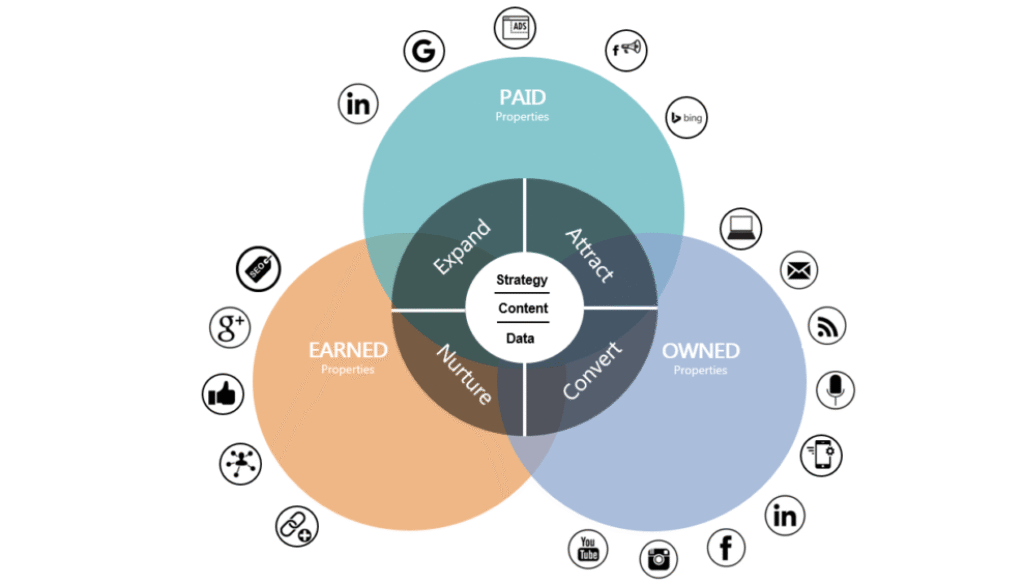
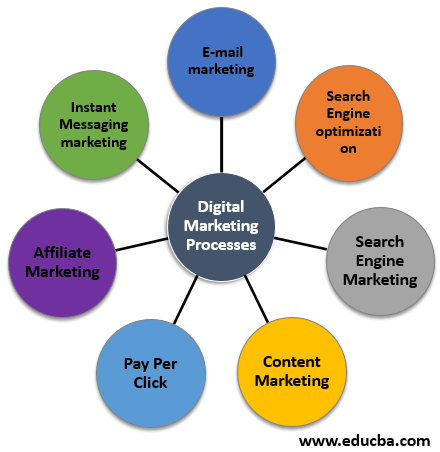
A digital marketing campaign is a planned series of online marketing activities designed to achieve a specific business objective within a defined period. These activities may include search engine optimization (SEO), content marketing, social media marketing, email marketing, paid advertising, and website optimization, all working together toward a common goal.
Unlike random marketing efforts, a campaign has a clear purpose, measurable objectives, and a well-defined strategy. Every action taken during the campaign is intended to move potential customers closer to taking a desired action, such as subscribing to a newsletter, requesting a consultation, purchasing a product, or contacting the business.
For example, imagine a local bakery launching a campaign to increase online cake orders before the holiday season. Instead of simply posting promotional content on social media, the bakery could:
Publish blog posts featuring festive cake ideas.
Optimize its website for seasonal search terms.
Run targeted Google Ads.
Share customer testimonials on social media.
Send promotional emails to existing customers.
All these activities work together as one coordinated campaign to achieve a specific goal.
How a Digital Marketing Campaign Works
Before creating a successful campaign, it’s important to understand how a digital marketing campaign works from start to finish. Every campaign follows a structured process designed to move potential customers from discovering a business to taking a desired action, such as making a purchase, submitting an enquiry, or subscribing to a newsletter.
Rather than relying on random marketing activities, successful businesses create campaigns with a clear objective, identify the right audience, select the most effective marketing channels, produce valuable content, monitor campaign performance, and continuously improve their strategy using data and analytics.
Although every business has unique goals, most digital marketing campaigns follow the same fundamental process:
- Define business goals.
- Research the target audience.
- Analyze competitors.
- Select appropriate marketing channels.
- Develop a content strategy.
- Launch the campaign.
- Measure key performance indicators (KPIs).
- Optimize the campaign for better results.
Following these steps ensures that every marketing activity contributes to achieving measurable business objectives instead of working in isolation.
What Makes a Digital Marketing Campaign Successful?
A successful digital marketing campaign is not determined by the amount of money spent but by how well every element works together.
Strong campaigns usually include:
- Clearly defined business goals.
- A deep understanding of the target audience.
- Well-planned marketing channels.
- High-quality content.
- Consistent branding.
- Regular performance monitoring.
- Continuous optimization based on data.
When these elements align, businesses can reach the right audience, generate qualified leads, and maximize their marketing investment.
Many small businesses partner with a digital marketing agency for small business to create campaigns that align with their goals, budget, and target audience.
Step 1: Define Clear Business Goals
Before starting any digital marketing campaign, the first and most important step is defining clear business goals. Without a clear direction, even the best marketing efforts can become scattered and ineffective.
When businesses understand exactly what they want to achieve, every decision in the campaign becomes easier — from choosing marketing channels to creating content and measuring success.
For example, a business may want to:
- Increase website traffic
- Generate more leads
- Improve online sales
- Build brand awareness
- Grow social media engagement
Each goal requires a different approach. That’s why clarity at this stage is essential.
A well-defined goal ensures that your campaign is focused, measurable, and aligned with overall business growth.
Using SMART Goals
One of the most effective ways to set campaign goals is by using the SMART framework.
SMART stands for:
- Specific – Clearly define what you want to achieve
- Measurable – Include numbers or metrics
- Achievable – Set realistic targets
- Relevant – Align with business objectives
- Time-bound – Set a deadline
For example:
Instead of saying:
“I want more customers”
A SMART goal would be:
“Increase website leads by 30% within 3 months using SEO and Google Ads”
This makes your campaign structured and easy to track.
Step 2: Understand Your Target Audience
Once your goals are defined, the next step is understanding your target audience. A digital marketing campaign will only work if it reaches the right people.
Businesses often fail because they try to market to everyone. In reality, successful campaigns focus on a specific group of people who are most likely to become customers.
Understanding your audience helps you:
- Create better content
- Choose the right platforms
- Improve engagement
- Increase conversions
Create Buyer Personas
A buyer persona is a detailed profile of your ideal customer. It represents who your audience is and what they care about.
A typical buyer persona includes:
- Age and location
- Job role or profession
- Income level
- Interests and behavior
- Online habits
- Problems they face
- What motivates them to buy
For example, a small business owner may struggle with low visibility online, while a startup may focus more on brand awareness and scaling.
When you understand these details, your marketing becomes more targeted and effective.

Identify Customer Pain Points
A strong campaign always focuses on solving problems.
Some common customer pain points include:
- Low website traffic
- Poor online visibility
- Low sales or leads
- Lack of brand awareness
- High marketing costs
- Poor conversion rates
When your marketing message directly addresses these problems, customers are more likely to trust your business.
Understand Customer Behavior
To build a successful campaign, you also need to study how your customers behave online.
Ask questions like:
- What do they search on Google?
- Which social media platforms do they use?
- What type of content do they prefer?
- Do they watch videos or read blogs?
- When are they most active online?
This helps you decide the right timing, platform, and content strategy for your campaign.
Step 3: Research Your Competitors
Competitor research is a critical part of any digital marketing campaign. It helps you understand what others in your industry are doing and where you can improve.
By analyzing competitors, you can:
- Identify successful strategies
- Discover content gaps
- Understand market trends
- Avoid common mistakes
- Find opportunities to stand out
You don’t need to copy competitors — the goal is to learn from them and do better.
Look at:
- Their websites
- Blog content
- Social media presence
- Google rankings
- Paid ads
This gives you a clear picture of the competitive landscape.
What to Analyze in Competitor Research
Focus on these key areas:
- Keywords they are ranking for
- Type of content they publish
- Engagement on social media
- Advertising strategies
- Customer reviews and feedback
This data helps you shape a stronger and more effective campaign strategy.
Step 4: Choose the Right Marketing Channels
After understanding your audience and competitors, the next step is selecting the right marketing channels.
Not every business needs every platform. The success of your campaign depends on choosing channels that match your audience behavior and business goals.
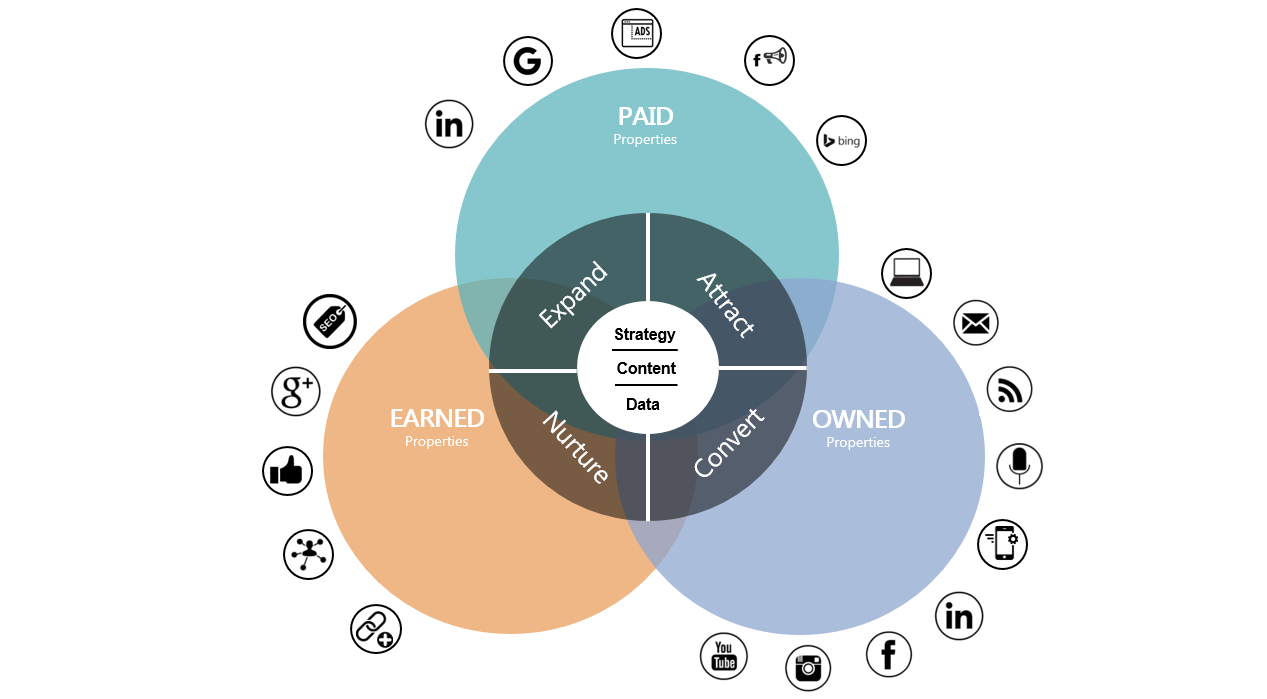
Common digital marketing channels include:
- SEO (Search Engine Optimization)
- Social media marketing
- Google Ads (PPC)
- Content marketing
- Email marketing
- Video marketing
Each channel plays a different role in the campaign.
For example:
- SEO builds long-term organic traffic
- Google Ads brings instant visibility
- Social media builds engagement and brand awareness
- Email marketing helps in retention
Using the right mix of channels ensures maximum impact.
Step 5: Create a Content Strategy
A strong digital marketing campaign depends heavily on content. Once you have defined your goals, audience, and channels, the next step is building a clear content strategy.
Content is what communicates your message, builds trust, and guides potential customers through the buying journey. Without good content, even the best campaign structure will fail.
Your content strategy should answer:
- What type of content will we create?
- Who are we creating it for?
- Which stage of the customer journey does it support?
- Where will we publish it?
Common types of content include:
- Blog posts
- Social media posts
- Videos
- Landing pages
- Email newsletters
- Infographics
Each piece of content should have a clear purpose — whether it is to educate, attract, or convert.
Build a Content Calendar
A content calendar helps you stay consistent throughout your campaign.
It includes:
- What to post
- When to post
- Where to post
- What goal it supports
Consistency is important because digital marketing is not a one-time effort. It requires continuous visibility to build trust and engagement.
Step 6: Launch the Campaign
Once everything is planned, the next step is launching your digital marketing campaign.
This is where all your preparation comes into action. You begin publishing content, running ads, and activating marketing channels.
A successful launch includes:
- Publishing optimized content
- Activating Google Ads or social media ads
- Scheduling social media posts
- Sending email campaigns
- Ensuring tracking tools are active
At this stage, it is important to ensure everything is properly connected — including analytics, conversion tracking, and website performance monitoring.
A strong launch ensures that your campaign starts with visibility and proper data tracking from day one.
Step 7: Monitor Campaign Performance
Once your campaign is live, the next step is tracking performance.
Digital marketing is powerful because everything is measurable. You can track exactly how your campaign is performing and identify what is working and what is not.
Businesses can use Google Analytics to monitor website traffic, user behavior, conversions, and other key performance metrics that help evaluate campaign success.
Key metrics to monitor include:
- Website traffic
- Conversion rate
- Click-through rate (CTR)
- Cost per lead (CPL)
- Engagement rate
- Bounce rate
- Return on investment (ROI)
Monitoring helps you understand whether your campaign is moving in the right direction.
Without tracking, you are essentially guessing.
Use Analytics Tools
To measure performance effectively, businesses use tools like:
- Google Analytics
- Google Search Console
- Meta Ads Manager
- Google Ads dashboard
These tools provide detailed insights into user behavior, traffic sources, and campaign effectiveness
Step 8: Optimize and Improve the Campaign
A digital marketing campaign is never truly finished. After monitoring performance, the final step is optimization.
Optimization means improving your campaign based on real data.
You can optimize by:
- Improving underperforming ads
- Updating content for better SEO
- Refining audience targeting
- Testing different headlines (A/B testing)
- Adjusting budgets
- Improving landing pages
Small improvements over time can lead to significant performance gains.
Successful businesses continuously refine their campaigns instead of leaving them unchanged.
Common Digital Marketing Campaign Mistakes
Many businesses fail not because of poor ideas, but because of avoidable mistakes.
Some common mistakes include:
- No clear goals
- Targeting the wrong audience
- gnoring data and analytics
- Inconsistent content posting
- Over-relying on one channel
- Expecting instant results
Avoiding these mistakes can dramatically improve campaign success.
Conclusion
Understanding how a digital marketing campaign works is essential for any business that wants to grow online. A successful campaign is not based on random marketing activities but on a structured process that includes planning, execution, monitoring, and continuous improvement.
When businesses follow a proper campaign structure, they can attract the right audience, build trust, increase conversions, and achieve long-term growth.
Digital marketing is not about doing everything — it is about doing the right things in the right order with the right strategy.
Frequently Asked Questions (FAQs)
1. What is a digital marketing campaign?
A digital marketing campaign is a structured set of online marketing activities designed to achieve specific business goals such as increasing traffic, leads, or sales.
2. How long does a digital marketing campaign take?
It depends on the goals. Some campaigns show results in weeks (ads), while SEO-based campaigns may take months for long-term growth.
3. What are the main channels in a digital marketing campaign?
SEO, social media marketing, Google Ads, content marketing, email marketing, and video marketing are the main channels.
4. Why do businesses need a digital marketing campaign?
Because it provides structure, improves targeting, increases conversions, and ensures all marketing efforts work toward a common goal.
5. What is the most important step in a campaign?
Defining clear business goals is the most important step because it guides the entire strategy.
If you’re searching for the best digital marketing agency in Kannur, KLYQIN can help you build customized digital marketing campaigns designed to increase visibility, generate qualified leads, and support sustainable business growth.